Introduction to TribalDAOs
Welcome to the TribalDAO tutorial. This guide will walk you through what a TribalDAO is, how it works, and why it can be a powerful container for Indigenous communities to coordinate, govern, and grow — all on your own terms.
TribalDAOs are flexible. You can start small, grow over time, and shape them around your community's kaupapa. Whether you're managing land, organising a whānau trust, or planning a new kaupapa, a TribalDAO gives your collective a shared digital space to make decisions together.
What is a TribalDAO?
A TribalDAO is a Decentralised Autonomous Organisation (DAO) that helps Indigenous communities coordinate and govern collectively using digital tools. It doesn’t replace tikanga or your existing structures — it supports them. It gives your people a digital “home” to make decisions, manage resources, and move together in a transparent, accountable way.
These DAOs can evolve alongside your needs — you don’t need everything figured out from the start. Think of it as a container for your kaupapa that grows with your community.
Watch this video for a brief explanation from one of our founding contributors
Why use a TribalDAO?
TribalDAOs are designed to support your community, not control it. Here's what they enable:
- Community Control: Everyone has a voice — no single person or group holds all the power.
- Transparency: Every decision is tracked and recorded for everyone to see.
- Cultural Fit: The DAO can be shaped by your tikanga, values, and existing practices.
- Collective Action: Easily make proposals, vote, and move forward on shared goals.
- Sovereign Infrastructure: You own the process, the tools, and the outcomes.
How Does a TribalDAO Work?
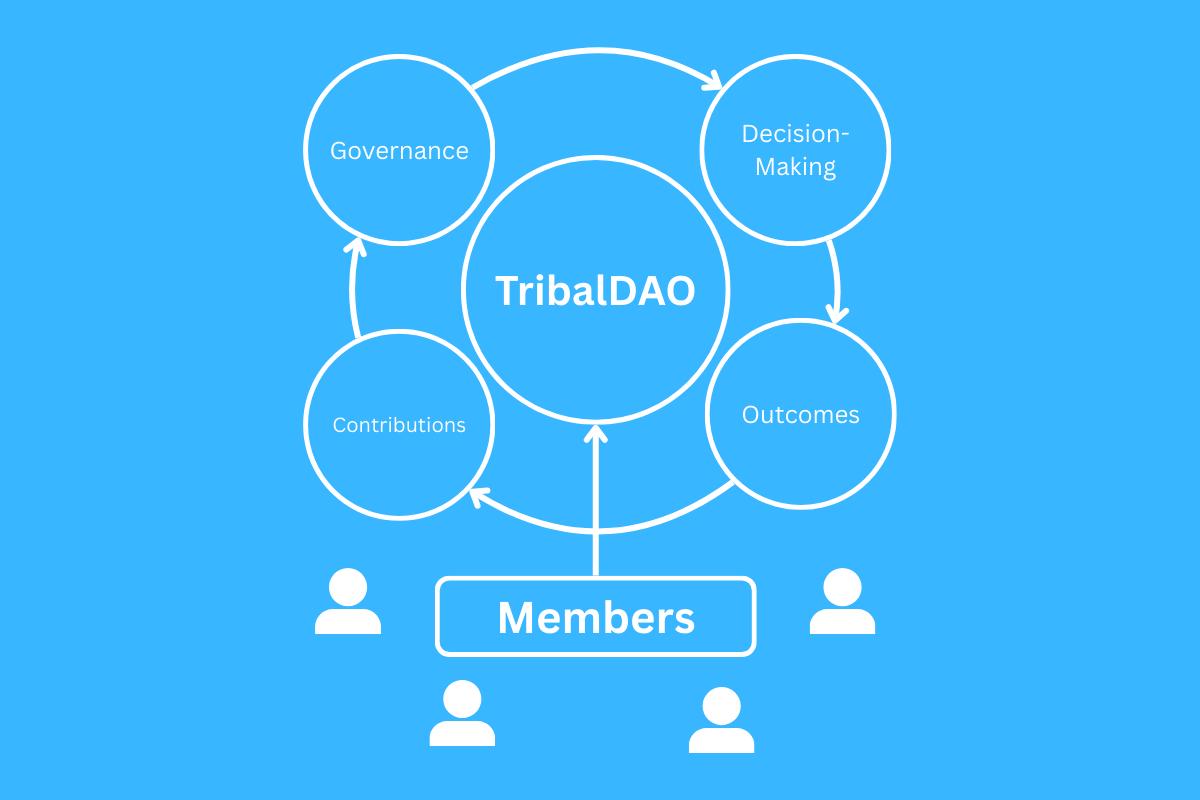
Here’s a simple path your community might take to get started:
1. Gather the Right People
Start with your whānau, hapū, trustees, or community leaders. Who needs to be involved? What kaupapa do you want to support?
2. Agree on Purpose
Why are you starting this DAO? What decisions will be made here? Keep it simple — you can expand later.
3. Set Governance Rules
Decide how your community will make decisions — voting systems, proposal rules, kaitiaki roles, and any values you want to embed.
4. Create the Platform
Launch your DAO on a digital platform. This is where you'll submit proposals, vote, and store records. You can start with lightweight tools or go straight to blockchain-based platforms.
5. Onboard Members
Invite the right people. You might verify whakapapa, land ownership, or trust membership depending on your kaupapa.
6. Propose & Vote
Members can suggest ideas, vote on them, and move forward. This keeps everyone involved and accountable.
7. Execute & Record
Once a decision is made, it’s acted on and recorded transparently — building trust and a clear record of your journey.
8. Adapt & Grow
As your needs change, so can your DAO. Update rules, add features, and bring in new voices as you go.
Real-World Examples
TribalDAOs can support many kaupapa — here are some ways they’re already being used:
- Whenua Management: Making transparent decisions about land use, lease agreements, or papakāinga housing.
- Whānau Trusts: Coordinating trust decisions with all beneficiaries involved.
- Marae Committees: Managing funding, events, and tikanga-based governance online.
- Cultural Projects: Preserving mātauranga, planning wānanga, or protecting iwi IP.
- Social Enterprises: Running a business that aligns with hapū or iwi values.
Who Can Use a TribalDAO?
TribalDAOs are for anyone organising around shared values or assets:
- Indigenous communities (iwi, hapū, marae, whānau trusts)
- Trusts and collectives managing land or taonga
- Cultural and economic projects led by Indigenous people
- Entrepreneurs and organisers who want to build transparent, accountable systems
Whether you're starting a new kaupapa or adapting existing structures, a TribalDAO helps bring your people together around shared purpose — in a way that's future-facing and grounded in who you are.
You don’t have to do everything at once. Just start where you are, with the people you have, and a kaupapa you care about.